
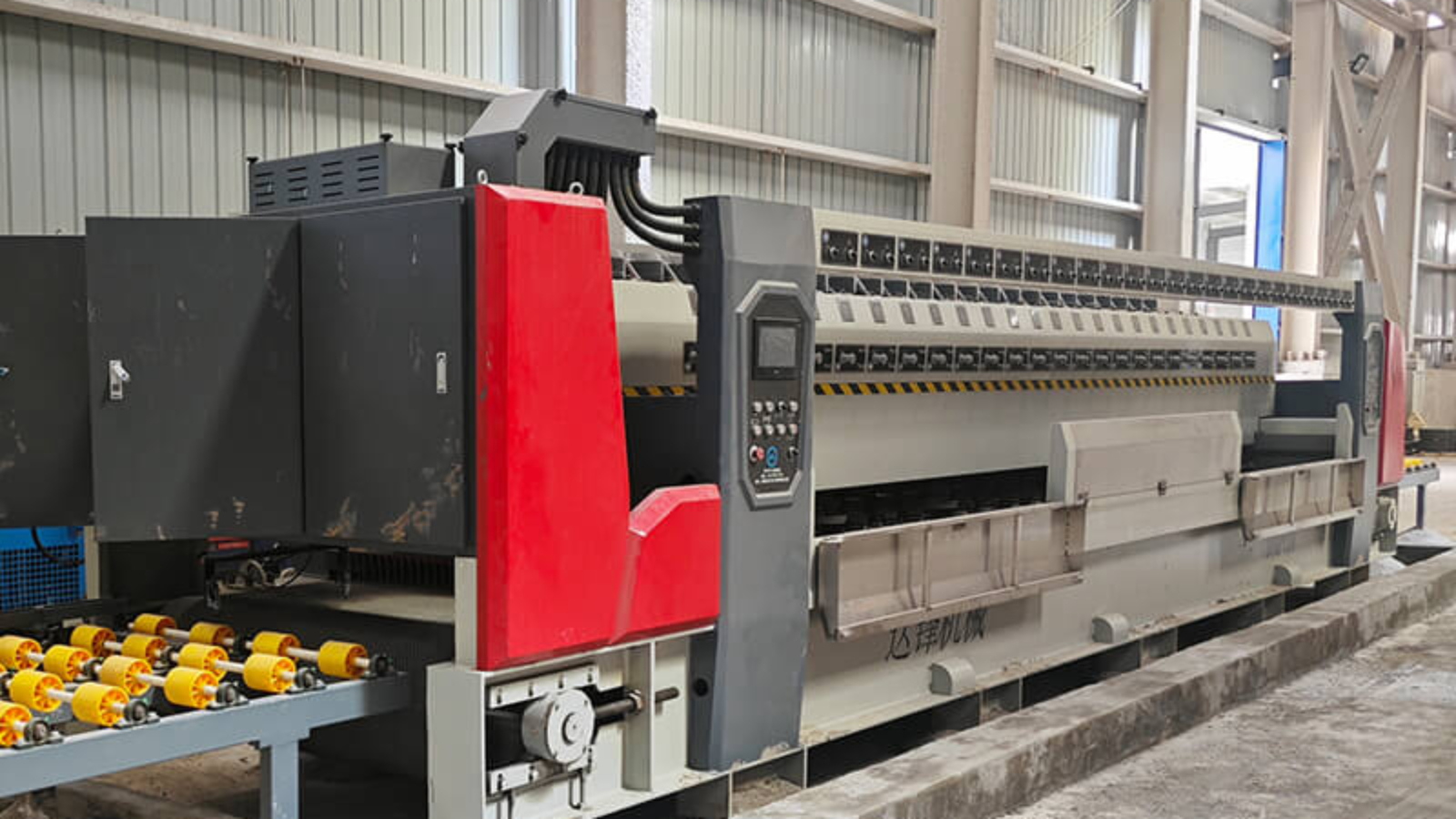
In the stone processing industry, achieving a smooth and high-gloss surface is essential for adding value to marble, granite, and other natural stones. A stone polishing machine plays a crucial role in this process by enhancing surface quality, improving appearance, and increasing production efficiency. But how does a polishing machine work, and why is it so important for modern stone factories?
A stone polishing machine is designed to grind and polish the surface of stone slabs using abrasive tools and polishing heads. These machines typically operate through multiple stages, starting with coarse grinding to remove surface imperfections and gradually moving to fine polishing for a mirror-like finish. This step-by-step process ensures consistent results across large volumes of material.
One of the main advantages of a stone polishing machine is its ability to deliver uniform surface quality. Manual polishing methods often lead to inconsistent finishes due to variations in pressure and technique. In contrast, automated polishing machines use calibrated pressure and speed controls, ensuring that each slab receives the same level of treatment. This consistency is especially important for large-scale production and high-end applications such as countertops, flooring, and wall cladding.
Another significant benefit is improved efficiency. Modern polishing machines, especially automatic continuous polishers, can process multiple slabs simultaneously. Equipped with conveyor systems and PLC or CNC control systems, these machines allow for continuous operation with minimal manual intervention. As a result, production efficiency can increase by 30% to 60%, while labor costs are significantly reduced.
Stone polishing machines are also highly adaptable to different materials and finishes. Whether working with marble, granite, quartz, or artificial stone, operators can adjust parameters such as speed, pressure, and abrasive type to achieve the desired finish. From matte and honed surfaces to high-gloss finishes, a single machine can handle a wide range of polishing requirements.
Durability and stability are also key features of high-quality polishing machines. Built with heavy-duty frames and high-performance components, these machines are designed for long-term industrial use. Reliable operation reduces downtime and maintenance costs, ensuring a steady production flow.
In addition, many advanced polishing machines are designed with energy efficiency and environmental considerations in mind. Water recycling systems and optimized power consumption help reduce operational costs while meeting modern sustainability standards.
In conclusion, a stone polishing machine is an essential tool for any stone processing business aiming to produce high-quality finished products. By improving surface consistency, increasing efficiency, and reducing labor dependency, it helps manufacturers meet market demands while maintaining profitability. Investing in advanced polishing technology is a key step toward achieving superior product quality and long-term business success.
Add a Comment