
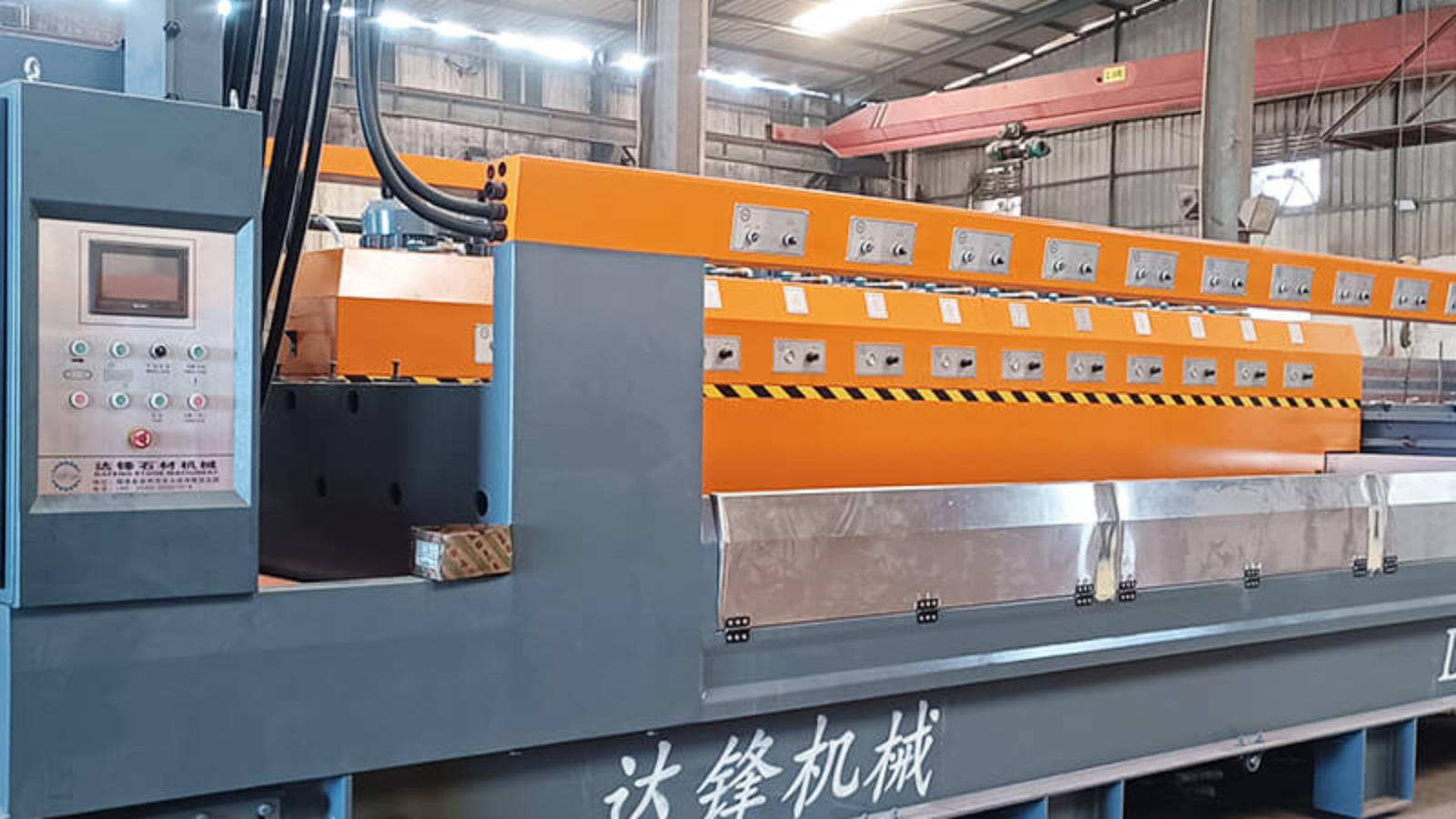
Processing machinery plays a vital role in modern manufacturing and industrial production. From raw material handling to precision finishing, different types of machines are designed to improve efficiency, accuracy, and productivity across industries such as stone processing, metal fabrication, construction, food production, and manufacturing. Understanding the main types of processing machinery helps businesses choose the right equipment for their production needs and long-term development.
1. Cutting Machinery
Cutting machines are among the most fundamental types of processing equipment. They are used to shape raw materials into usable forms and sizes. Common examples include CNC cutting machines, bridge saws, laser cutters, waterjet cutting machines, band saws, and diamond wire saws. These machines are widely applied in stone, metal, glass, and wood industries. Advanced cutting systems provide high precision, smooth edges, and reduced material waste, making them essential for modern automated production lines.
2. Grinding and Polishing Machinery
Grinding and polishing machines are used to improve surface quality and appearance. They remove rough layers, scratches, and imperfections, creating smooth, flat, or glossy finishes. Typical equipment includes surface grinders, edge polishers, slab polishing machines, and buffing machines. In stone and construction industries, these machines are crucial for producing high-quality marble, granite, quartz, and concrete surfaces that meet architectural and decorative standards.
3. Forming and Shaping Machinery
Forming machines are designed to reshape materials without removing large amounts of material. This category includes bending machines, rolling machines, stamping presses, molding machines, and extrusion equipment. These machines are commonly used in metal processing, plastic manufacturing, and construction material production. They enable mass production of standardized components with consistent dimensions and stable quality.
4. Drilling and Milling Machinery
Drilling and milling machines are used for creating holes, slots, and complex shapes. CNC milling machines, drilling machines, and machining centers are widely used in industrial manufacturing. With computer control systems, these machines achieve high precision, repeatability, and automation, making them ideal for large-scale production and customized processing tasks.
5. Automated Processing Systems
With the development of smart manufacturing, automated processing systems have become increasingly important. These systems integrate multiple machines, conveyors, robotic arms, and control software into a single production line. Automated systems reduce labor costs, improve production stability, and minimize human error. They are widely used in stone processing plants, factories, logistics centers, and industrial parks.
6. Auxiliary and Support Equipment
In addition to main processing machines, auxiliary equipment such as loaders, conveyors, dust collectors, cooling systems, and material handling machines are essential for efficient operation. These systems ensure safety, environmental protection, and smooth production flow, forming a complete industrial processing ecosystem.
Conclusion
Processing machinery is the backbone of modern industry. From cutting and polishing to shaping and automation, each type of equipment plays a specific role in transforming raw materials into finished products. As technology continues to advance, processing machines are becoming more intelligent, energy-efficient, and automated. For manufacturers, choosing the right combination of machinery not only improves production efficiency but also enhances product quality, competitiveness, and long-term sustainability in the global market.
Add a Comment