
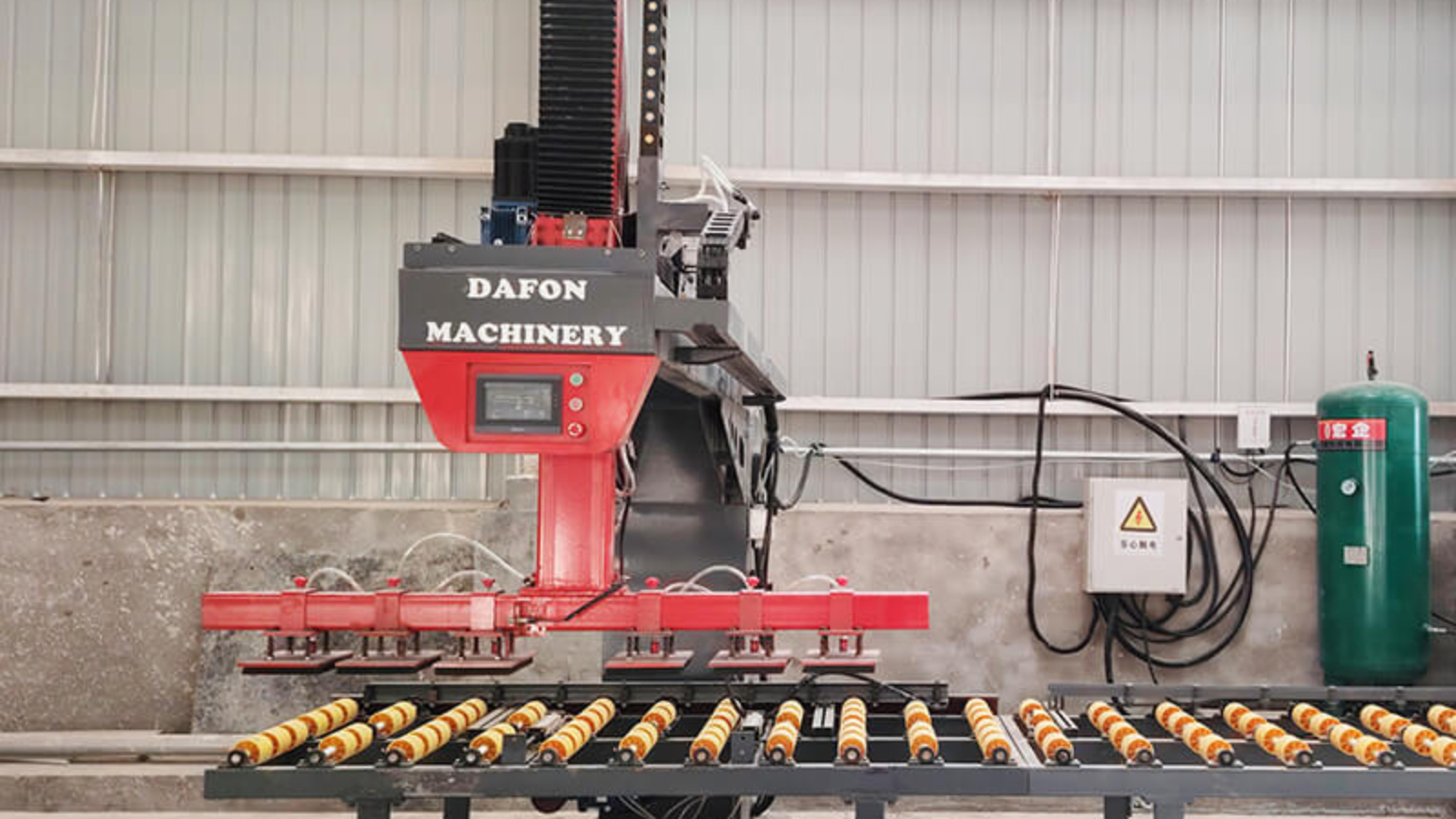
In today’s competitive stone industry, surface finishing quality can define your product value. Whether you produce granite slabs, marble tiles, or engineered stone countertops, a reliable stone polishing machine—and more importantly, the right manufacturer—plays a critical role in achieving consistent shine, efficiency, and long-term profitability.
This guide is designed to help global buyers evaluate stone polishing machine manufacturers with a clear, practical, and ROI-focused approach.
Why Stone Polishing Machines Matter More Than Ever
Polishing is not just a finishing step—it directly impacts:
- Surface gloss and product quality
- Customer satisfaction and pricing power
- Production efficiency and throughput
- Material utilization and waste reduction
Modern polishing machines can significantly improve consistency while reducing labor dependency, making them essential for factories aiming to scale in 2026.
What Makes a Good Stone Polishing Machine Manufacturer?
1. Advanced Polishing Technology
Top manufacturers invest in automation and precision control systems. Look for:
- Multi-head polishing systems
- PLC or CNC control for stable operation
- Adjustable pressure and speed settings
These features ensure uniform polishing across different stone materials.
2. Machine Stability and Durability
Polishing requires continuous operation under pressure. A high-quality machine should have:
- Strong frame structure
- Reliable motor and transmission system
- Low vibration design
Durability reduces maintenance costs and extends machine lifespan.
3. Customization Capability
Different factories process different materials and sizes. A good manufacturer should offer:
- Flexible machine configurations
- Customized polishing heads and layouts
- Solutions tailored to granite, marble, or quartz
For example, Dafon Machinery provides customized stone polishing solutions designed for various production needs, from small workshops to large industrial lines.
4. Automation and Efficiency
Automation is a key trend in 2026. Advanced polishing lines can:
- Reduce manual labor
- Improve polishing consistency
- Increase output efficiency
Factories using automated systems often achieve 30–50% higher productivity.
5. After-Sales Support and Service
Even the best machines require support. A reliable manufacturer should provide:
- Installation and commissioning
- Operator training
- Spare parts availability
- Remote technical assistance
Strong after-sales service ensures stable long-term production.
How to Compare Stone Polishing Machine Manufacturers
When evaluating suppliers, consider:
- Experience in global markets
- Customer case studies
- Technical support capabilities
- Production line integration ability
Manufacturers with international experience are better equipped to meet diverse market requirements.
Common Buyer Questions (FAQ)
Q1: What types of stone polishing machines are available?
Common types include manual polishers, automatic polishing lines, and multi-head polishing machines.
Q2: Which machine is best for granite polishing?
Granite requires heavy-duty machines with strong pressure control and multiple polishing heads.
Q3: How important is automation?
Automation improves consistency and reduces labor costs, making it essential for medium to large factories.
Q4: How long do polishing machines last?
With proper maintenance, high-quality machines can last 10–15 years.
Future Trends in Stone Polishing
Looking ahead, the industry is moving toward:
- Fully automated polishing lines
- Smart control systems with data monitoring
- Energy-efficient machines
- Integrated production solutions
Manufacturers that align with these trends can help your factory stay competitive.
Final Thoughts
Choosing a stone polishing machine manufacturer is not just about equipment—it’s about building a long-term partnership that supports your production goals.
By focusing on technology, reliability, customization, and service, you can select a partner that helps you improve efficiency, enhance product quality, and grow your business in 2026 and beyond.
Add a Comment