
Introduction
In the modern stone processing industry, marble block cutting technology plays a critical role in determining production efficiency, yield rate, and overall manufacturing cost. As global demand for high quality marble products continues to rise in 2026, factories are increasingly comparing two mainstream solutions: the gang saw and the multi wire saw. Choosing the right equipment directly impacts profitability, material utilization, and long term competitiveness.
1. Overview of Gang Saw Technology
Gang saws are traditional but widely used machines in marble slab production. They operate using multiple blades moving in a reciprocating motion to cut large marble blocks into slabs.
Key characteristics:
- Stable and mature technology
- Suitable for large scale slab production
- Lower initial investment compared to advanced systems
- Higher maintenance requirements due to blade wear
Gang saws are often preferred in factories where production volume is stable and raw material cost is relatively low.
2. Overview of Multi Wire Saw Technology
Multi wire saws use high speed diamond wires to cut marble blocks with precision and efficiency. This technology has become increasingly popular in modern stone factories.
Key characteristics:
- High cutting precision and smoother surface finish
- Higher yield rate due to thinner cutting kerf
- Lower energy consumption per cubic meter processed
- Higher initial equipment investment
Multi wire saws are widely used in high end marble processing plants aiming for automation and efficiency.
3. Yield Comparison
Yield rate is one of the most important factors in marble block cutting.
- Gang saw: Typically lower yield due to thicker blade gaps and higher material loss
- Multi wire saw: Higher yield thanks to thin wire cutting, reducing waste by 5 to 15 percent depending on material type
Over time, the improved yield from multi wire saws can significantly increase profit margins, especially for high value marble blocks.
4. Cost Analysis
When evaluating cost, both initial investment and long term operational cost must be considered.
Gang Saw Cost Structure:
- Lower purchase cost
- Higher consumable blade cost
- Higher labor and maintenance requirements
Multi Wire Saw Cost Structure:
- Higher initial equipment cost
- Lower consumable cost per cut
- Reduced labor requirement
- Lower energy consumption
In long term operations, multi wire saws often deliver better cost efficiency despite higher upfront investment.
5. Application Scenarios
Gang saws are suitable for:
- Traditional marble factories
- Medium to large production with budget constraints
- Markets with lower slab price pressure
Multi wire saws are suitable for:
- High precision marble processing
- Export oriented stone factories
- Automated production lines
- High value marble quarry operations
6. How to Choose the Right Machine
Choosing between gang saw and multi wire saw depends on:
- Production scale
- Marble block quality
- Target market price level
- Labor and energy costs in your region
For long term industrial upgrading, many factories are gradually transitioning toward multi wire saw systems due to higher efficiency and automation compatibility.
Conclusion
In 2026, marble block cutting technology is evolving toward higher efficiency and lower waste. While gang saws remain a reliable traditional solution, multi wire saws clearly lead in terms of yield rate, precision, and long term cost efficiency. For manufacturers aiming to upgrade production capacity and improve profit margins, investing in advanced cutting systems such as multi wire saws is becoming a strategic necessity.
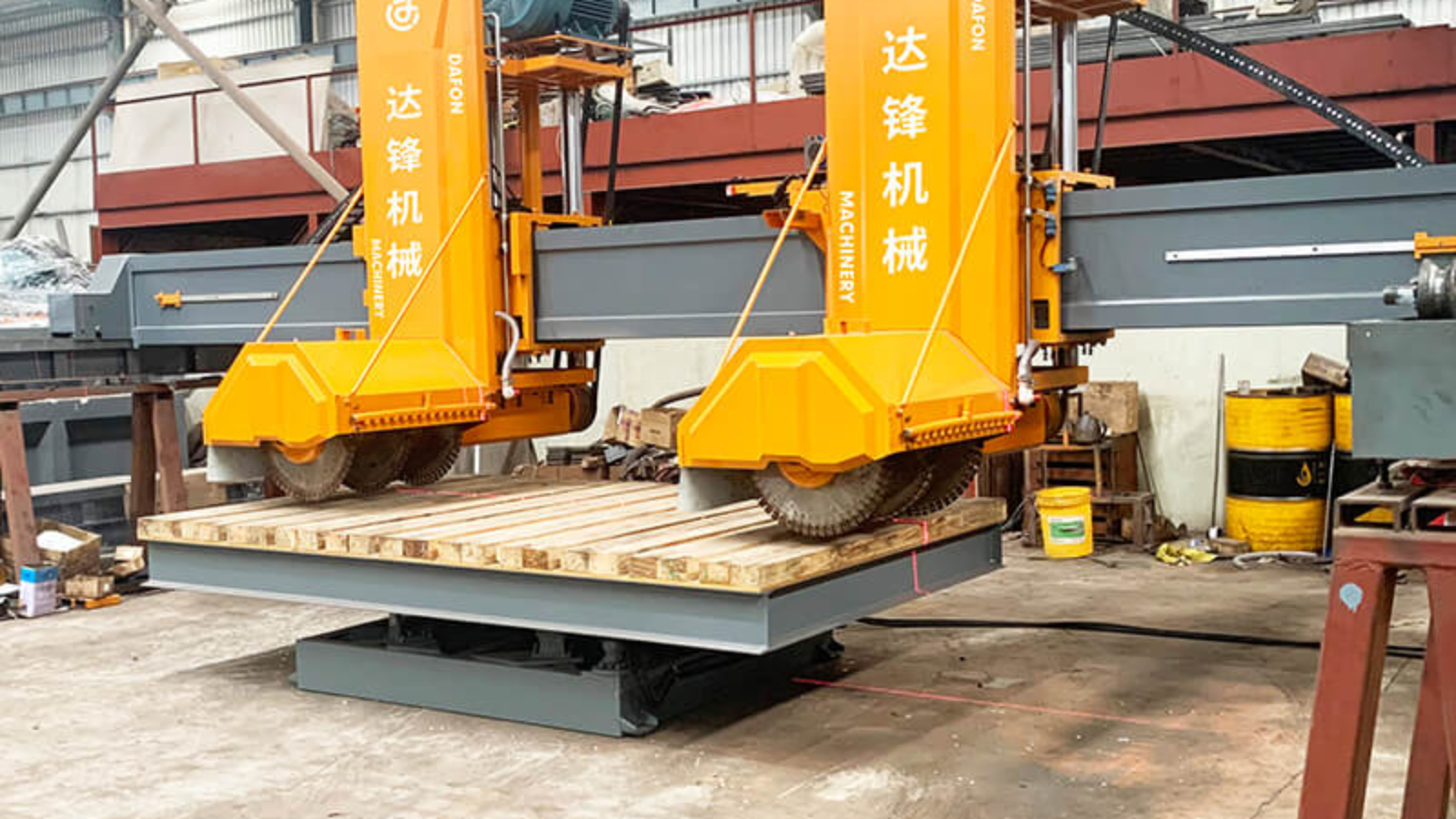
Modern stone machinery providers like Dafon Machinery continue to support global clients with optimized cutting solutions designed for both productivity and cost control in competitive markets.
Add a Comment