
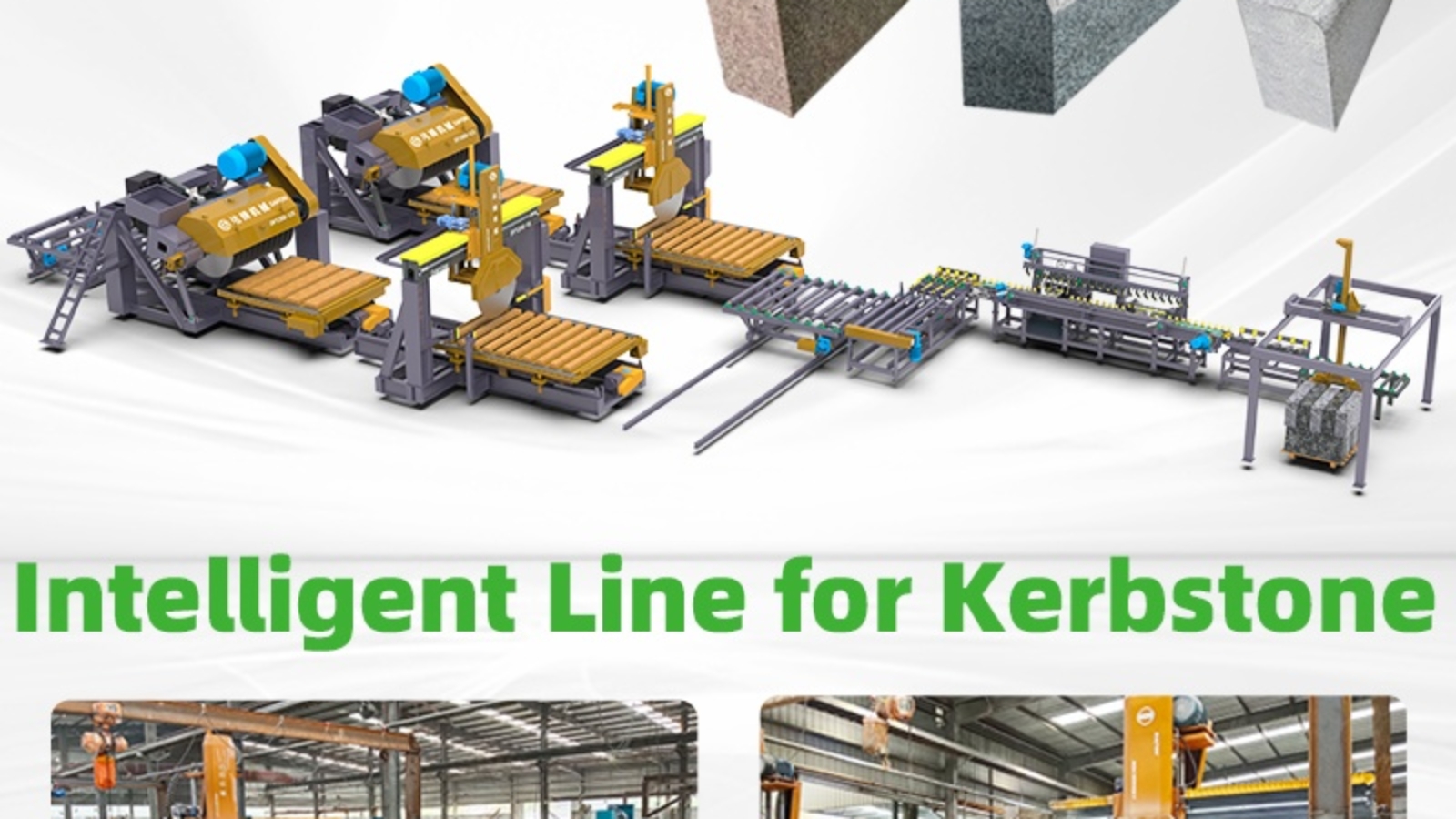
A CNC stone profiling machine is one of the most versatile investments a stone fabricator can make. It automates the shaping of decorative edges, moldings, columns, balusters, and complex architectural profiles — tasks that would take hours by hand. Whether you produce kitchen countertops, tombstones, or building facade elements, the right profiling machine can improve accuracy, repeatability, and throughput.
This buyer’s guide explains the key features, configurations, and decision points to consider before purchasing a stone edge profiling machine in 2026.
What Is a CNC Stone Profiling Machine?
A CNC stone profiling machine uses a computer numerical control system to guide diamond or sintered tooling along a programmed path. Unlike manual profiling, CNC systems deliver consistent results across hundreds or thousands of pieces.
Typical applications include:
- Edge profiling for countertops and vanity tops
- Molding and cornice production
- Column, baluster, and pillar shaping
- Tombstone and monument decorative work
- Radius and curved profile cutting
Linear Profiling vs. Rotary Profiling
When comparing machines, the first distinction is how the stone is held and moved.
Linear Profiling Machines
- The workpiece moves along a straight path
- Best for long, flat edges and linear moldings
- Higher feed speeds for simple profiles
- Lower cost and smaller footprint
Rotary Profiling Machines
- The stone rotates on a spindle or trolley
- Ideal for round columns, balusters, and 360-degree profiles
- Can produce complex radial shapes in a single setup
- Requires more programming skill but offers greater versatility
Some advanced models combine both linear and rotary capabilities, making them suitable for mixed-product workshops.
Key Features to Evaluate
1. Number of Controlled Axes
A 4-axis machine handles most edge profiling and simple rotary work. A 5-axis machine allows undercuts, angled faces, and more complex 3D contours. Choose based on the profiles you sell most often.
2. Spindle Power and Tool Capacity
Higher spindle power (15 kW and above) is necessary for hard stones like granite and quartzite. Tool-changing capacity reduces downtime when switching between roughing, semi-finishing, and polishing tools.
3. Control System and Software
Look for a control system that supports common CAD/CAM formats such as DXF, DWG, and STL. Some suppliers provide proprietary libraries of standard profiles, which can speed up production for common edge shapes.
4. Build Quality and Rigidity
Stone profiling generates significant vibration. A heavy-duty cast or welded steel frame, precision linear guides, and servo-driven motion systems are essential for long-term accuracy.
5. Dust and Water Management
Profiling creates fine dust and slurry. Machines with enclosed work zones, integrated water spray, and sludge collection channels keep the shop cleaner and safer.
How to Match the Machine to Your Business
Before requesting a CNC stone profiling machine price, define:
- Maximum stone dimensions and weight you will process
- Most common materials (marble, granite, quartz, limestone)
- Typical profile complexity and daily volume
- Available floor space and power supply
- Operator skill level and training needs
A machine that is oversized for your current work wastes capital; one that is too limited will become a bottleneck as orders grow.
Budget and Return on Investment
Entry-level linear profiling CNCs may start around 30,000–50,000, while heavy-duty 5-axis rotary systems can exceed $150,000. Factor in freight, installation, tooling, training, and spare parts when calculating total cost.
Return on investment usually comes from:
- Reduced manual labor per linear meter
- Faster turnaround on custom profiles
- Less material waste from rework
- Ability to bid on higher-margin architectural projects
Dafon Machinery offers a range of CNC stone shaping machines designed for linear and rotary profiling. View specifications and request a quote at https://www.anwomachine.com.
FAQ
Q: Can a CNC profiling machine also polish the profile? A: Many models support profiling and polishing in one setup using automatic tool changers. Confirm whether the machine includes polishing spindles or requires a secondary process.
Q: Is CNC profiling suitable for small workshops? A: Yes. Compact linear profiling machines are available for small and medium shops. The key is matching machine capacity to actual production volume.
Q: How long does operator training take? A: Basic operation and CAD/CAM import can often be learned in one to two weeks. Advanced 5-axis programming may require one to three months of practice.
Conclusion
A well-chosen CNC stone profiling machine transforms custom stone work from a labor-intensive craft into a repeatable, scalable process. By focusing on axis count, spindle power, control software, and shop-specific requirements, buyers can select equipment that delivers strong returns for years.
Add a Comment