
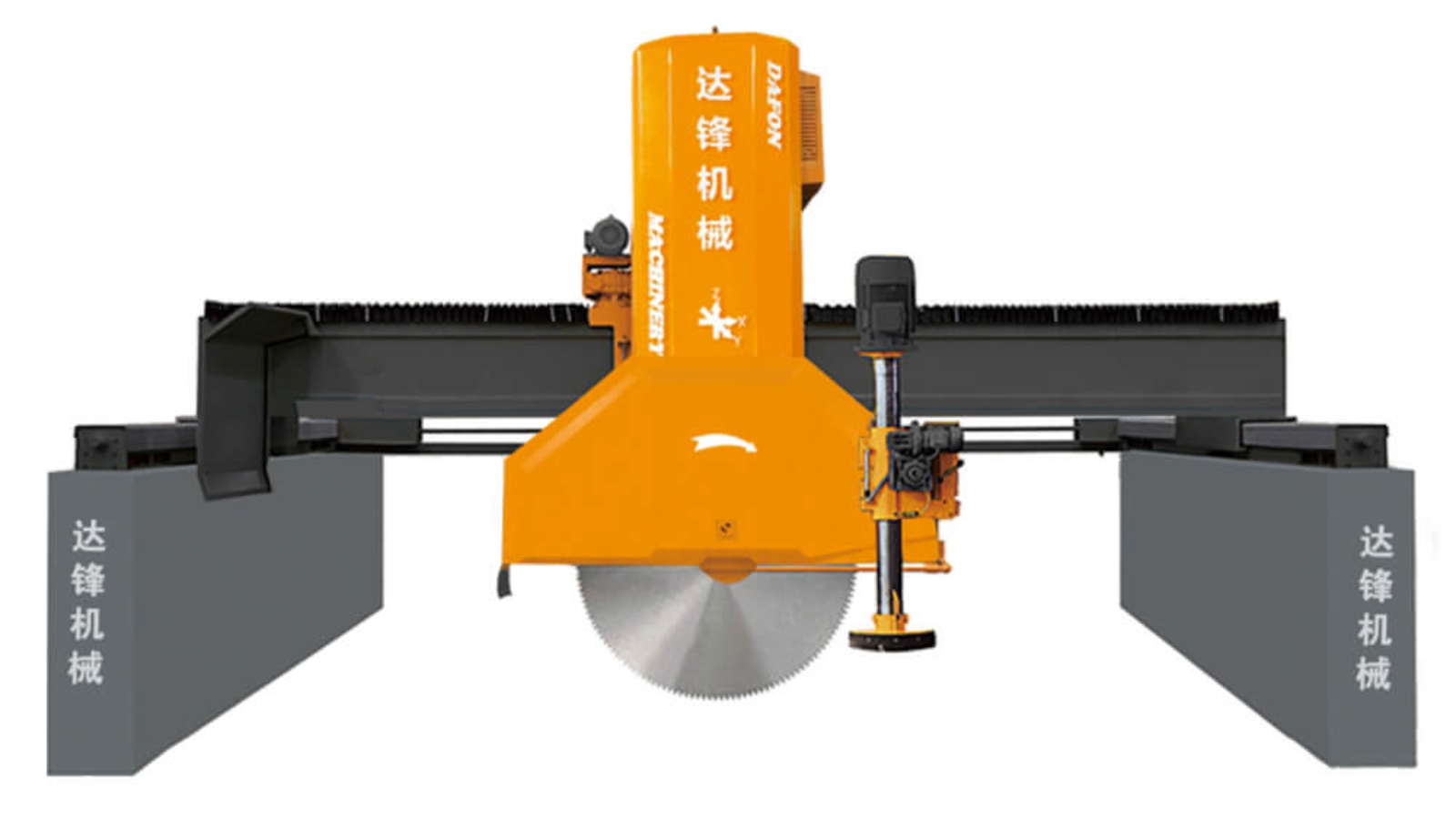
In the stone processing industry, a stone block cutting machine is one of the most critical investments for factories working with granite, marble, and other natural stones. Choosing the right machine is not only about cutting large blocks—it’s about improving productivity, reducing waste, and ensuring consistent quality.
This guide is designed to help buyers make smarter, future-proof decisions in 2026.
What Is a Stone Block Cutting Machine?
A stone block cutting machine is used to cut large raw stone blocks into slabs or smaller sections for further processing. It is typically the first step in a complete stone production line, which means its performance directly impacts the entire workflow.
Modern machines are designed to handle heavy loads, operate continuously, and deliver high precision even under demanding conditions.
Why Choosing the Right Machine Matters
Selecting the wrong machine can lead to:
- High material waste due to inaccurate cutting
- Frequent downtime and maintenance issues
- Increased labor costs
- Reduced overall production efficiency
On the other hand, the right machine can improve output by 30–50% while lowering operational risks.
Key Features to Look for in 2026
1. Cutting Efficiency and Stability
A high-quality block cutting machine should provide stable performance during long working hours. Multi-blade systems are especially effective for increasing output and reducing cutting time.
2. Precision and Accuracy
Consistent cutting accuracy (within ±0.5 mm) ensures better slab quality and minimizes waste, which is crucial when working with expensive materials like granite.
3. Automation and Control System
Machines equipped with CNC or PLC systems allow for automated operation, reducing reliance on manual labor and improving consistency.
4. Durability and Structure
Heavy-duty steel frames and high-quality components ensure long service life and stable operation, even in high-load environments.
How to Choose a Reliable Manufacturer
When selecting a supplier, consider the following:
- Engineering capability: Does the manufacturer have in-house R&D?
- Project experience: Have they supplied machines globally?
- Customization ability: Can they adapt to your production needs?
- After-sales support: Do they offer training, spare parts, and technical assistance?
For example, Dafon Machinery specializes in stone block cutting machines and automated production lines, providing solutions tailored to different materials and factory scales.
Common Buyer Questions (FAQ)
Q1: What is the difference between single-blade and multi-blade machines?
Multi-blade machines significantly increase production efficiency by cutting multiple slabs at once, making them ideal for large-scale factories.
Q2: How much automation do I really need?
If your goal is to reduce labor costs and improve consistency, semi-automatic or fully automatic machines are highly recommended.
Q3: How important is after-sales service?
Very important. Reliable support ensures quick problem-solving and minimizes downtime.
Future Trends in Stone Block Cutting
In 2026 and beyond, the industry is moving toward:
- Fully automated production lines
- Smart monitoring systems
- Energy-efficient machines
- Integrated factory solutions
Investing in modern technology now helps factories stay competitive in the long run.
Final Thoughts
A stone block cutting machine is not just a piece of equipment—it is the foundation of your entire stone processing operation. Choosing the right machine and manufacturer can significantly improve efficiency, reduce costs, and support long-term growth.
For buyers looking to upgrade or expand production, focusing on performance, reliability, and service support will deliver the best return on investment.
Add a Comment