
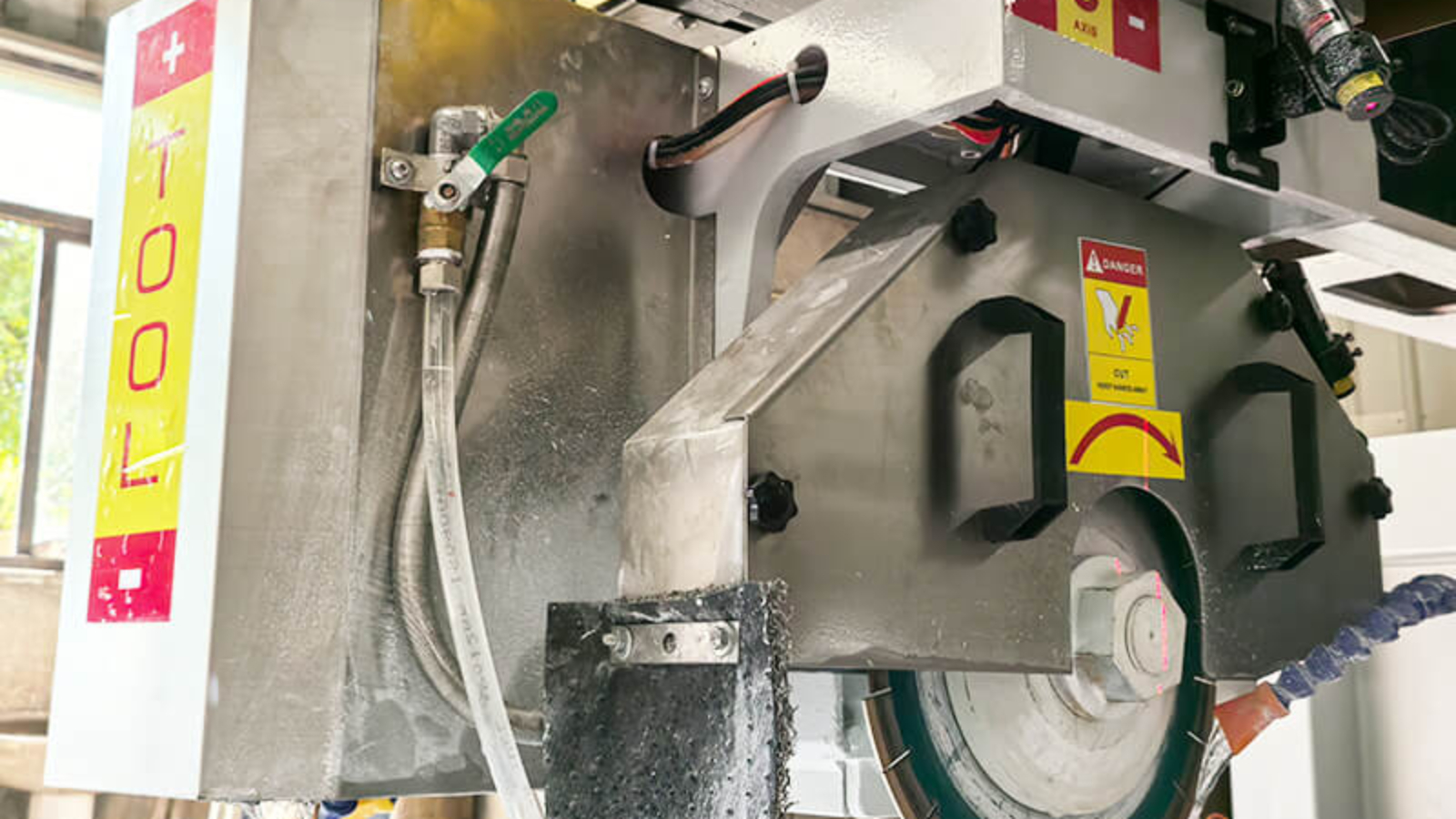
Choosing the right stone cutting machine manufacturer is not just about buying equipment—it’s about securing long-term productivity, consistent quality, and reliable support. In 2026, with automation and smart manufacturing becoming standard, buyers need a more strategic approach. This guide is designed to help you make a confident, informed decision.
1. Start with Your Real Production Needs
Before comparing suppliers, clearly define your application:
- Materials: granite, marble, quartz, or engineered stone
- Products: slabs, kerbstones, tombstones, or custom shapes
- Output: small batch customization or high-volume production
For example, tombstone processing requires high precision, while kerbstone production lines demand efficiency and automation. Matching the machine to your workflow prevents over-investment or underperformance.
2. Evaluate Technical Capability, Not Just Catalogs
A reliable manufacturer should offer more than standard models. Look for:
- In-house R&D and engineering capabilities
- Advanced control systems (such as CNC or PLC automation)
- Proven machine stability in real factory environments
For instance, Dafon Machinery focuses on multi-blade cutting systems and automated production lines, helping factories achieve both precision and high throughput across different stone applications.
3. Compare Performance That Impacts Profit
Instead of focusing only on price, pay attention to factors that affect your ROI:
- Cutting accuracy (ideally within ±0.5 mm)
- Production efficiency improvements (30–50% is common with modern lines)
- Energy consumption and maintenance costs
- Level of automation (labor-saving potential)
A cheaper machine may cost more in the long run due to downtime, waste, or labor dependency.
4. After-Sales Support Is a Deal Breaker
Stone machinery is a long-term investment, so support matters as much as the machine itself. Ask:
- Is installation and training included?
- Are spare parts easily available?
- Is remote or on-site technical support offered?
- Do they provide lifetime technical assistance?
Manufacturers like Dafon Machinery typically provide structured after-sales systems, including training, spare parts during the warranty period, and ongoing technical support—especially valuable for international buyers.
5. Check Global Experience and Case Studies
A trustworthy supplier should have proven success in different markets:
- Europe (high standards for precision and safety)
- Middle East (large-scale infrastructure demand)
- Asia (cost-efficiency and volume production)
Real-world case studies help you understand how machines perform under different conditions and reduce purchasing risks.
6. Prioritize Complete Solutions Over Single Machines
In 2026, competitive factories are moving toward integrated production lines. Consider suppliers who can provide:
- Automated loading, cutting, and finishing systems
- Centralized control and smart monitoring
- Scalable solutions for future expansion
This approach not only increases efficiency but also reduces labor costs and operational complexity.
Final Thoughts
Choosing a stone cutting machine manufacturer is ultimately about building a partnership, not just completing a transaction. The best decision comes from balancing performance, reliability, service, and long-term value.
If your goal is to upgrade your factory in 2026, focus on solutions that deliver higher efficiency, stable performance, and strong technical support. A capable partner like Dafon Machinery can help you stay competitive in an increasingly automated and demanding global market.
Add a Comment