
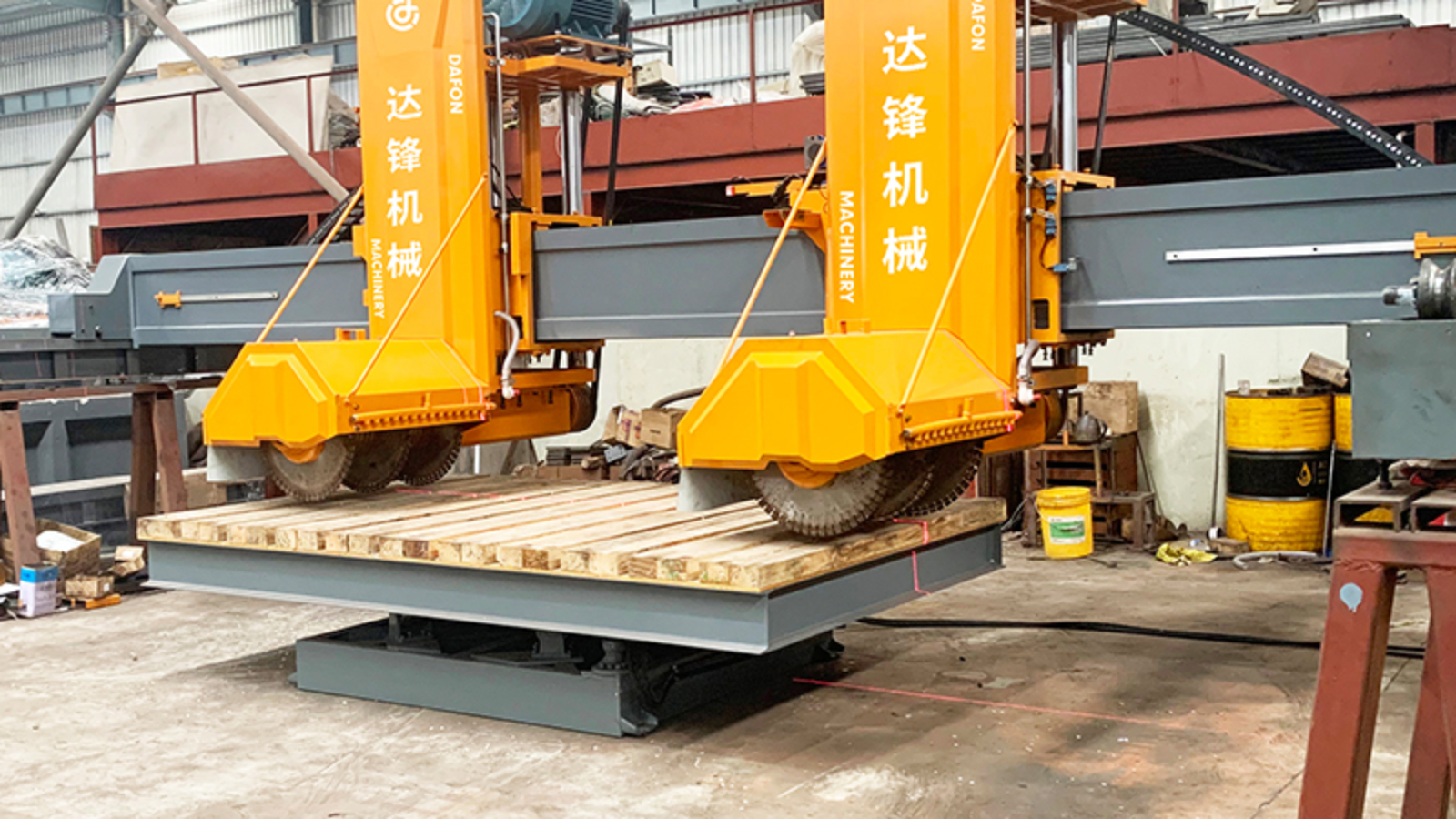
When it comes to granite cutting, accuracy and efficiency are key. A bridge saw for granite is an essential tool for modern stone processing, designed to transform large granite slabs into beautifully finished products with consistent precision. Whether you are fabricating countertops, tiles, stairs, or decorative stone elements, a bridge saw ensures high-quality results and maximized productivity.
What is a Bridge Saw for Granite?
A bridge saw is a specialized stone cutting machine featuring a bridge-like structure that supports a powerful cutting head. The saw moves along the bridge to provide smooth, straight, or angled cuts with exceptional accuracy. Unlike traditional cutting methods, a bridge saw allows operators to work on large granite slabs with minimal effort while reducing material waste. These machines are widely used in stone processing factories, granite workshops, and construction material production facilities.
Applications of Granite Bridge Saws
Bridge saws are versatile and ideal for cutting natural stones like granite, marble, and quartz, as well as engineered stone products. They are commonly used to produce kitchen countertops, bathroom vanities, flooring tiles, stair treads, wall cladding panels, monuments, and other architectural or decorative elements. In addition, bridge saws are widely applied in municipal projects, such as curbstones and paving tiles, where precision and consistency are critical.
Types of Bridge Saws
Bridge saws come in various configurations to meet different production needs. Manual models allow operator-controlled cutting for smaller workshops, while semi-automatic and fully CNC bridge saws provide programmable cutting for larger factories. Advanced models often feature tilting cutting heads, water cooling systems, and multi-blade setups to increase cutting speed and efficiency. CNC-controlled bridge saws are particularly advantageous for high-volume production, delivering consistent results and reducing labor requirements.
Why Choose a Bridge Saw for Granite?
Investing in a bridge saw brings multiple benefits:
- High Precision: Consistent, clean cuts that meet exact specifications.
- Efficiency: Faster cutting speeds and reduced downtime.
- Reduced Material Waste: Accurate cutting minimizes errors and scrap.
- Enhanced Safety: Automated features reduce manual handling risks.
- Versatility: Capable of cutting various stones and thicknesses.
How to Select the Right Bridge Saw
When choosing a bridge saw, consider the following:
- Maximum slab size and thickness
- Blade diameter and cutting speed
- Level of automation (manual, semi-automatic, CNC)
- Support and maintenance services from the manufacturer
Selecting the right machine ensures long-term productivity, lower operating costs, and consistent product quality.
Conclusion
A bridge saw for granite is more than just a cutting tool—it is an investment in precision, reliability, and efficiency for your stone business. Modern bridge saws combine advanced technology with robust construction, helping stone fabricators deliver high-quality finished products with less waste and higher productivity. Whether for small workshops or large factories, a properly selected bridge saw can elevate your production capabilities and support long-term business growth.
Add a Comment